Social Media Marketing Definition in Plain English
Social media marketing turns platform posts into customer connections and sales. Compare related terms and see when results actually appear.


Contents
Social media marketing is using social platforms to promote products or services, connect with potential customers, and build relationships that can lead to business. It works best when you choose platforms your audience uses, share content suited to each platform, engage authentically, and track progress toward clear goals such as inquiries or website visits. A sustainable posting routine can keep a business visible and attract clients over time, but results depend on reaching the right people and require patience.
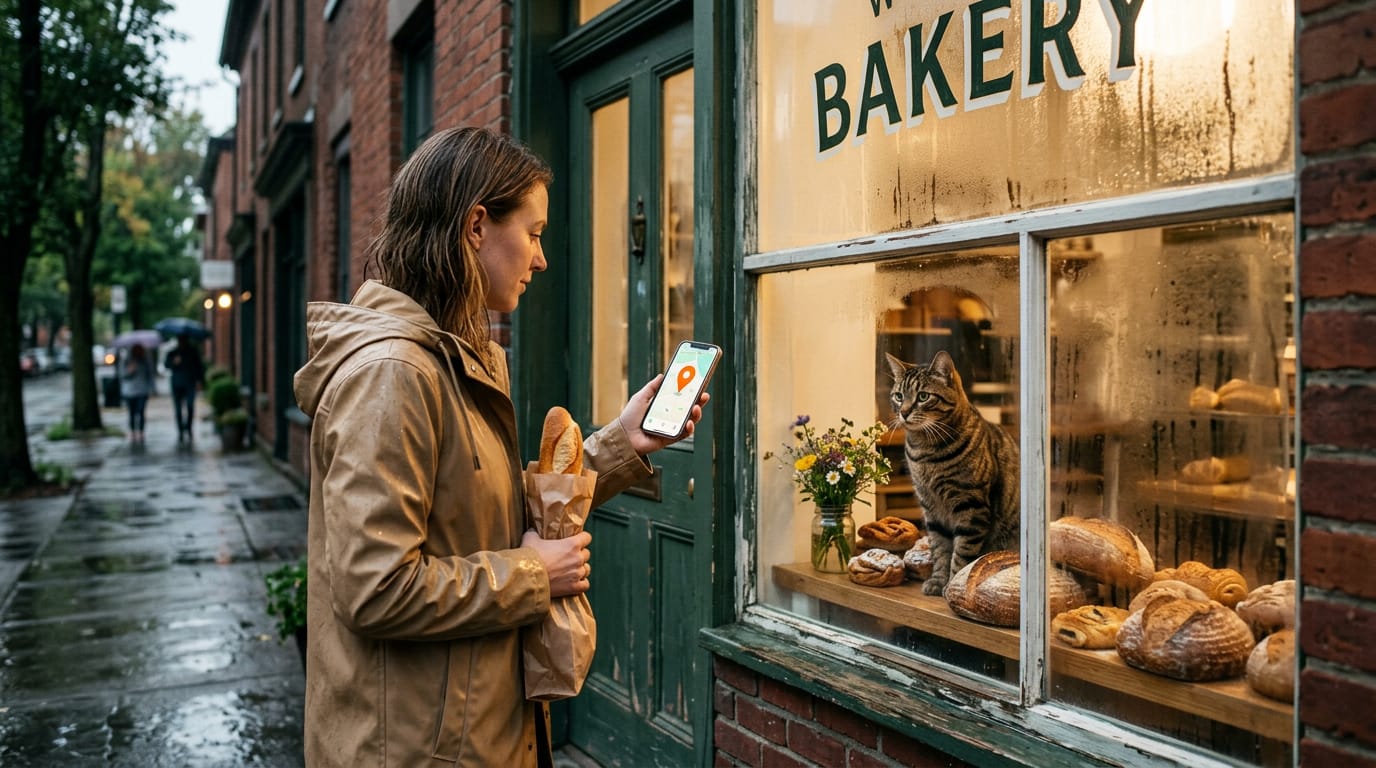
Picture a potential client finding your portfolio on their phone while waiting for coffee. They saw a post you shared last week, and now they’re curious about your work. That everyday moment is social media marketing at work.
Social media marketing means using social platforms to share your work, connect with people who need it, and turn that attention into paying clients.
This post explains what it is, how it differs from related terms, how it can earn you money, and how to plan a strategy that fits a studio of one.
Social Media Marketing Definition in Plain English
Social media marketing sounds like a job for a full marketing team, but the idea is simple. Here’s what we mean, piece by piece.
Promoting and connecting through social platforms
In plain terms, social media marketing means using social platforms to promote your work and connect with people who might hire you. It’s less about shouting and more about showing up. It usually covers three jobs:
- Promoting products or services: Showing what you offer to people who need it.
- Reaching prospects and customers: Finding people who haven’t hired you yet and staying visible to those who have.
- Building brand communities: Gathering followers who comment, share, and come back.
Think of an illustrator who posts a time-lapse of each character coming together. An art director scrolls past, comments on a sketch, and months later sends a book cover brief.
The post didn’t sell anything directly, but it reached a prospect and built trust.
Main social platforms and where they fit
Each platform attracts a different crowd, so it helps to know where your work belongs:
- Facebook, Instagram, and LinkedIn: Instagram leans visual, Facebook suits local groups, and LinkedIn is where business clients tend to spend time.
- Twitter and YouTube: Twitter rewards quick conversation, while YouTube holds longer videos people search for and rewatch.
- Newer platforms like TikTok: Short, fast videos that can reach people who don’t follow you yet.
- Snapchat: Casual, disappearing snaps that suit behind-the-scenes moments.
- Portfolio platforms (Instagram, Behance, Dribbble): Built to showcase finished work, and many art buyers browse Behance and Dribbble for talent.
You don’t need every platform. Pick the one or two your clients use and do those well.
Matching content formats to each platform
Most posts use text, images, video, or a combination. Text suits quick updates, images show finished work fast, and video shows your process and personality.
The same project rarely works unchanged everywhere. A swipeable set of process shots suits Instagram, while a longer walkthrough fits YouTube. Adapt each piece to the platform rather than copying and pasting.
A blog post gives people something to read and return to, while a video lets them watch you work. Write the detailed how-to first, then pull its key steps into a short clip.
Business goals social media can support
Social media can support several goals, so name the one you want before you post:
- Brand awareness: Getting your name in front of people who’ve never heard of you.
- Leads and sales: Turning interest into direct messages about rates or clicks to your booking page.
- Website traffic: Sending people from a post to your portfolio or contact form.
- Customer service: Answering questions publicly so prospects see how you handle problems.
Pick one goal per post. Focus beats volume.

Can I Earn Money from Social Media?
Yes, you can, though the money usually comes from the client work social media brings in, not the posts themselves. For a solo creative, the platform is where prospects find you.
How little it costs to start
Starting is the easy part. Platforms are free to start, and social media is cheaper than offline marketing, where printing and ad space cost real money. The real cost is time rather than money.
Picture a freelance illustrator who posts weekly, and whose only expense is the hour each post takes.
Reach billions and target small niches
The audience is already online. According to Kepios’s analysis of the latest platform data, there are now 5.66 billion active social media user identities worldwide, which equates to 68.7 percent of the global population.
Social advertising lets you aim paid posts at a specific audience, so smaller niches win on relevance rather than reach.
A food photographer hunting restaurant clients can post where owners already scroll, instead of buying a billboard on a road none of them drive.
Building trust through real conversations
Clients hire people they feel they know, and authentic human interaction is how that feeling builds. Personal audience engagement means replying to comments by name.
Close posts with a call-to-action, such as inviting people to reply with their project timeline. User-generated content (material your audience creates, like a client’s photo of your finished piece) carries weight your own captions can’t.
Brand transparency means sharing the messy parts too. Consider a freelance writer who posts about a missed deadline and the buffer she added to her schedule. Prospects see someone who owns her mistakes, which makes her easier to trust.
Driving site traffic, leads and SEO gains
Posts can send people to your website. Share links to your blog and portfolio so curious followers have somewhere to go.
According to a ClearVoice piece on social media and SEO, traffic from social media can benefit your search engine optimization (SEO), the work of helping your pages rank in search results. Visitors who arrive that way may become customers.
Picture a freelance designer who posts a logo refresh with a link to the full case study. A reader clicks through and sends an enquiry. Getting a visitor to take that kind of step is called conversion, and it’s what turns posts into work.
Aim for enquiries rather than followers.
Tracking results to learn what works
Platforms come with built-in analytics tools, so you can see what happens after you post. Here are four key metrics, defined simply:
- Reach. How many people saw your post.
- Engagement. How many people liked, commented on, saved, or shared it.
- Clicks. How many people followed a link to your site.
- ROI (return on investment). What a post earned compared with what it cost.
A freelance photographer tracking engagement might notice her behind-the-scenes reels get far more shares than her product shots, so she makes more of them.
Your data informs future marketing, and comments add customer insight too: when prospects keep asking about rush fees, that’s your next post. Guessing costs time, too.

Staying visible and easy to find
Staying visible is essential for every business, a studio of one included. A steady stream of posts shows you’re active and open for work, and it helps people find your brand when they go looking.
A copywriter who hasn’t posted since last spring can look like she’s stopped taking work. Silence reads as closed.
Planning a Social Media Strategy That Works
For a studio of one, strategy is just a few decisions you can sustain.
Build your strategy around your audience
Start with your target audience: the people who actually hire you. Then pick platforms where your clients look, not where you like to scroll.
Organic social means unpaid posts, while paid social means ads you pay to show to a chosen audience. Organic costs you time; paid costs you money.
Your value proposition is the one sentence that tells clients why to hire you. Pair it with a goal you can measure, and check your data first.
Test and optimise by changing one thing at a time, and keep what gets replies. Aim to learn what works, not assume it does.
A studio of one needs a routine you can finish on a busy week. The 3-3-3 rule is a lean daily routine built on a few small, fixed actions.
Think of a freelance photographer who batches posts on Sunday and answers comments at lunch, keeping her weekdays free for client work. Consistency beats volume.
Getting the team on board with tactics
Solo studios often add helpers. Keep the plan to one page: platforms, audience, posting rhythm, and who does what. Onboard helpers with that page, then add tasks as they prove reliable.
Buy-in matters, so explain why, not just what. Review monthly, keeping what works and cutting what doesn’t.
An illustrator’s assistant schedules her posts from that page, so her evenings stay free.
Calendars and tools to keep you organised
Two things keep it running:
- Social media calendar. A shared schedule of what you’ll post, where, and when.
- Marketing tools. Scheduling apps that handle posting and reporting so you’re not juggling every platform.
Related Ideas and How They Differ
Plenty of terms in this space get mixed up, so let’s sort them out first.
Where social media fits within digital marketing
So what is digital marketing? It’s any marketing that reaches people through digital channels, and social media marketing (SMM) is one tactic inside it.
The terms get blurred, but they’re not the same. Social media is where your posts live; social media marketing is what you do with them.
Other digital media include:
- Email marketing
- Search engine optimization (SEO)
- Paid search ads
- Your own website
Think of a freelance illustrator who keeps a portfolio site, sends a monthly email, and posts work-in-progress shots on Instagram. Each is a different tactic, all pointing to one goal: the next commission.
How brand accounts differ from influencers
A brand-owned account belongs to the business and speaks in its voice. An influencer is an independent creator whose audience follows them personally. Influencers can be paid for a post or simply gifted a product or service in exchange for sharing it.
The difference is who is talking. A brand account says what the business wants you to hear, while an influencer’s recommendation carries credibility because it sounds like a person.
Influencers also reach new audiences who’d never find your account on their own.
Say a freelance photographer offers a free headshot session to a coffee shop owner with a loyal following, in exchange for a post about it. Those followers see the photographer’s work for the first time. That borrowed trust is the real prize.

How Big Each Platform’s Audience Is
Before you decide where to spend your limited posting time, it helps to know how many people actually use each platform. Here’s what the published estimates show and where they come from:
Active user numbers and their sources
Start with the total. DataReportal, citing Kepios’s latest analysis, puts global social media user identities at 5.22 billion, which equals 63.8 percent of all the people on Earth.
DataReportal’s Global Social Media Statistics page goes further, saying close to 7 in 10 people on Earth now use social media each month, which makes social media users a “supermajority.”
Platform-level figures are published too. According to Search Engine Land’s 2026 guide to social network usage, YouTube is the leading social network with 2.65 billion active users worldwide. Reports like these also cover:
- X
- TikTok
- Snapchat
Now say you’re a freelance illustrator with one hour a week to post. A number like 2.65 billion tells you about reach, how many people could see your work.
It says much less about fit, or whether the art directors and small brands you want to hire are among them. Check fit first, and that hour goes where the right client might actually see it.
Each figure here links back to a named report, so check the original before you quote one in a pitch.
When You Should See Results
Social media marketing rarely pays off overnight. We’ll walk through a realistic timeline and the signs that you’re on track.
Timelines and early signs of progress
Results vary widely. Your niche, how often you post, and how many followers match your ideal clients all shape the timeline. A photographer posting daily to a broad audience and a writer posting twice a week to a niche group won’t see the same curve.
Think of social media as a long-term tactic, not a quick fix. One viral post might spark a burst of attention, but steady client work comes from familiarity: your name and style showing up week after week.
In the early months, watch for early signals rather than invoices. For example, an illustrator who shares process sketches might notice regular followers asking about commissions well before a client books her. That’s the content landing.
The question is less about how fast your follower count climbs and more about who is paying attention.
The general consensus is six to nine months of consistent effort before you judge whether an approach is working. Set that checkpoint now, and decide what you’ll measure when you get there. Slow isn’t the same as broken.
When you check in, track numbers that point toward client work:
- Profile visits and link clicks: people want to know more.
- Saves and shares: your work is worth keeping or passing along.
- Direct messages and inquiries: someone is starting a real conversation.
- Repeat engagement: the same people keep coming back.
Likes are nice, but they’re the weakest signal here. If these numbers trend up over a few months, you’re building something real, even before your calendar fills.
Social media marketing doesn’t have to swallow your week. Once you know what it is and where it fits, it becomes a steady way to show your work and keep new clients coming in.
Start with the platforms your clients already use, post on a schedule you can keep, and give it time to pay off. You’ll build a steady pipeline without becoming a full-time marketer.
Your work deserves to be seen, and you don’t need a marketing team to make that happen.
References
- Digital 2026: Global Overview Report — datareportal.com (2025)
- Social network usage & growth statistics (2026) — searchengineland.com (2026)
- Social Media and SEO: How Social Signals Affect Rankings — clearvoice.com (2025)
- The Global State of Digital in 2024 — DataReportal — datareportal.com
- Global Social Media Statistics — DataReportal — datareportal.com
Questions
What is the 3-3-3 rule for social media?
The 3-3-3 rule is a simple daily social media routine built around three small, fixed actions. The exact actions can be tailored to your goals, such as engaging with people, sharing content, and connecting with potential clients.
What is digital marketing?
Digital marketing is marketing that reaches people through digital channels. It includes social media marketing, email marketing, search engine optimization, paid search ads, and websites.
Can I earn money from social media?
Yes. Social media can help you earn money by bringing potential clients to your services, portfolio, or booking page. The income usually comes from the client work you attract rather than from the posts themselves.
Sources
- Digital 2026: Global Overview Report, datareportal.com,
- The Global State of Digital in 2024 — DataReportal – Global Digital Insights, datareportal.com
- Social network usage & growth statistics (2026), searchengineland.com,
- Global Social Media Statistics — DataReportal – Global Digital Insights, datareportal.com
- Social Media and SEO: How Social Signals Affect Rankings, clearvoice.com,