Local Online Marketing Explained: How to Get Found Nearby
Local online marketing helps nearby customers find and trust your business. See how search, reviews, ads, and tracking turn visits into leads.


Contents
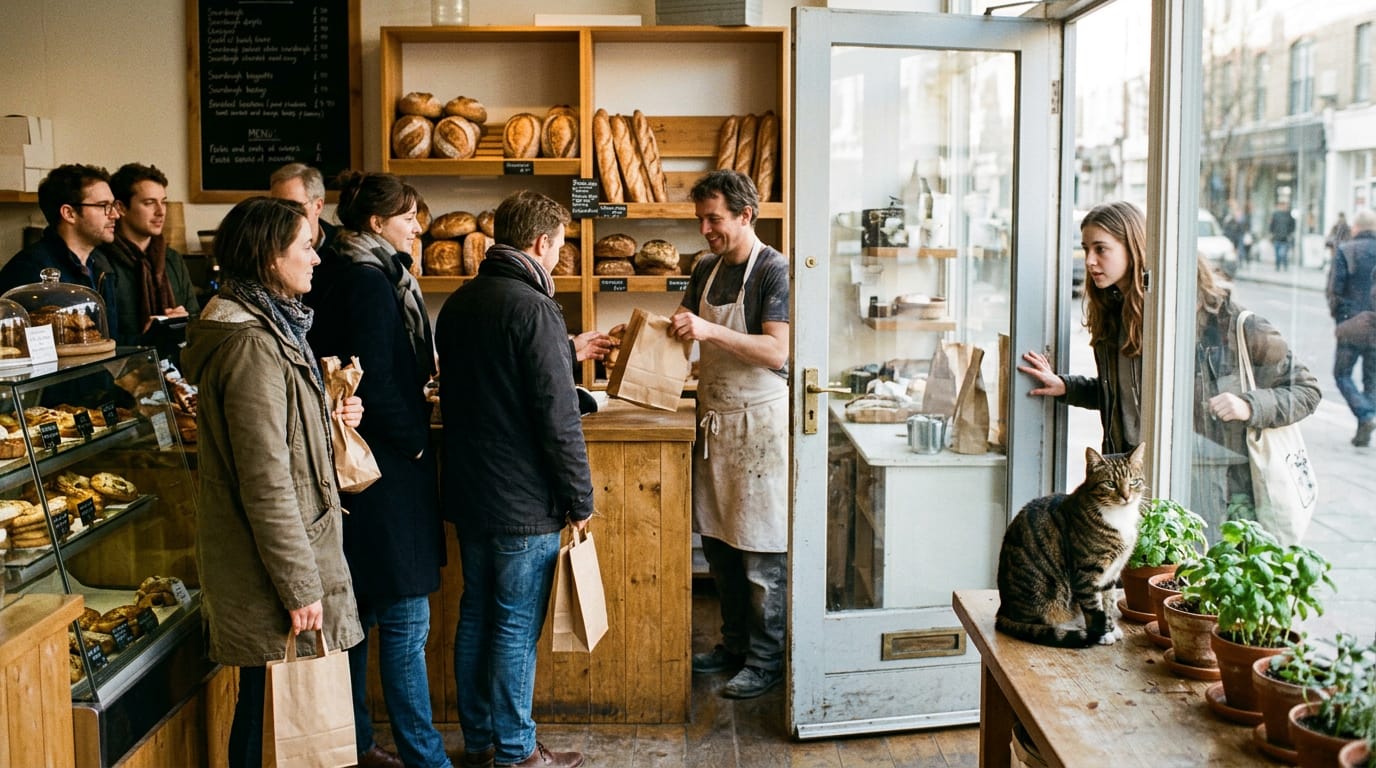
Local online marketing promotes a business to people in the area it serves, helping nearby customers find it, trust it, and get in touch. It combines accurate listings, local search content, reviews, and carefully chosen ads or community channels, with results measured by qualified inquiries and booked work rather than clicks alone. The practical goal is to focus on a few channels local clients use and invest more in what brings in business.
Picture a neighbor who needs a portrait photographer. Before calling anyone, they type ‘photographer near me’ into their phone and scan the results.
That search is where local online marketing begins. It’s the work of making sure your business shows up for nearby customers, looks trustworthy once they find you, and wins the call over the alternatives.
In this guide, we’ll walk through how it works, from local search and reviews to ads and measurement, then show you how a studio of one can pick the few channels worth its time.
Understanding Local Online Marketing and Its Value
Here’s what local online marketing is and whether your studio needs it.
What it covers and what it drives
Local online marketing means promoting your business to people in a specific area online. Marketing has many types, but four matter most for local work:
- SEO (search engine optimization): gets your site found for nearby searches.
- PPC (pay-per-click): paid ads you can aim at your city.
- Social media: shows your work to local communities.
- Content: blog posts and case studies that name your city.
So what’s the best way to advertise online? There’s no single winner, so start with the channel your local clients already use. Local marketing drives visits, calls, and purchases.
It’s less about reaching everyone and more about reaching the right people nearby. A wedding photographer might get a Saturday search for ‘photographer near me’ that ends in a booked call. That’s the payoff.
Who should go local, and who shouldn’t
Most consumers search online for local businesses, and a Search Engine Land article points to 83% using search to find them.
Google searches carry local intent too: an estimated 46% do, according to Tolodora’s local SEO statistics, a figure Google itself cited in 2018 that the SEO industry still widely references.
Local marketing isn’t for remote or global businesses. A logo designer on video calls with clients anywhere gains little from local ads, so her effort belongs in her portfolio.
A wedding photographer is the opposite: her clients live nearby and need to find her locally. Personalization and authenticity help here too: show real work from your own city.
What your business gains from it
- Stronger online presence. Nearby searchers find you before they need you.
- Better marketing performance. Your budget reaches people who can hire you.
- Automation with personalization. Tools handle the scheduling while messages name the client’s project.
- Word-of-mouth and community ties. Local visibility gives referrers something to pass along.
Getting Found with Local SEO and Listings
Clients searching nearby usually start with a place name. Local SEO (short for local search engine optimization) starts with the listings and website you already have.
Claiming and optimizing your Google Business Profile
- Claim and verify. Claim your Google Business Profile, the listing behind your Google Maps spot, and verify that it’s yours.
- Optimize every section. Keep details accurate and aim for complete over clever. A freelance illustrator who lists “children’s book illustration” gets found by art directors searching that phrase.
- Rank higher on Google Maps. Complete, accurate details are the foundation for the rest of this list.
- Update hours and categories. An outdated hours block sends a client to a locked door. Choose a category that matches your paid work.
- Add photos. Show recent work and a clear headshot so clients know who they’re hiring.
Keeping your listings consistent across directories
Your NAP (name, address, phone number) must match exactly everywhere, suite number included. A writer who lists “Lee Alvarez Writing” on their site and “Alvarez Writing Co.” elsewhere leaves clients and search engines guessing.
A citation is any online mention of your NAP. Build them on the directories your clients use. Listings management tools push one set of details to many directories at once, but spot-check the results.
Industry review sites where clients compare freelancers deserve a profile too.
Tweaking your website for local searches
- Location-specific keywords. Use the place names clients type, like your city, in headings and service pages.
- Mobile-friendly, fast site. A client searching on a phone won’t wait for a slow page.
- Schema markup. It’s extra code that labels your name, address, and hours for search engines.
- Local backlinks. A backlink is a link from another site to yours. A photographer who shot at a local venue can ask that venue to link to their portfolio.
- Locally relevant blog content. Write about nearby work, like a brewery rebrand. Real local work beats generic tips.

Measuring how local search is performing
Google Search Console shows which searches bring people in, and Google Analytics shows what they do next.
Judge local rankings by lead quality. Track booked projects over raw clicks.
Your inquiry log can show which zip codes send clients who book. A wedding photographer might find two suburbs produce most bookings, so next season’s ads go there. That’s less wasted spend.
Earning Reviews and Protecting Your Reputation
Reviews shape how new clients see your studio. Here’s how to ask for them and how to answer them.
Asking customers for more reviews
Don’t wait for a happy client to think of it. Ask the ones who just praised your work, and make it easy:
- Send the request right after the final files go out, while the result is still fresh.
- Link straight to the platform you want, such as Google, Yelp, or Facebook.
- Keep the ask to one sentence.
A freelance illustrator who ships a book cover might send the art director this note:
“Thanks again for the cover. If you have two minutes, a short Google review would help other publishers find us.”
Incentives like discounts can nudge a client to respond, but tie them to sharing feedback, not to a glowing rating. Rewarding only positive reviews makes your whole profile less believable.
Ask for written testimonials too: quotes you can use on your site or in proposals. Ask what problem you solved, then use their words, with permission.
Replying to reviews and handling feedback
Start with review management: check every profile where you’re listed on a set schedule and note what people said. Weekly is a sensible start, and you can’t respond to a review you never saw.
Reviews affect clicks and sales. A study of Amazon sellers found that product reviews influence shoppers from search to click to purchase, though their impact varies at each stage.
That research covers online retail, so read it as a strong signal, not a guarantee for your studio.
Reply promptly to feedback, good or bad. For a negative review, stay calm: respond to the problem, not the person, and say what you’ll change. A calm reply beats a clever one.
Paid Ads Aimed at Local Customers
Paid ads let you choose who sees your work, down to the neighborhood. The big 3 of online advertising are usually named as Google, Meta (Facebook and Instagram), and Amazon. For a local studio, Google and Meta do most of the work.
Running Google Ads aimed at nearby customers
Start with geotargeting to limit ads to the places you serve. Pair local keywords, like ‘wedding photographer’ plus your city, with negative keywords such as ‘free’ that block searches that never become clients.
Group your account into location-based ad groups with one area and one offer each, and add ad extensions for your phone number and address. Avoid targeting a region far bigger than you’ll travel.
A wedding photographer covering one county targets only that county, so every click comes from a couple who can book her. Who clicks matters more than how many.
Getting more from Google Local Services Ads
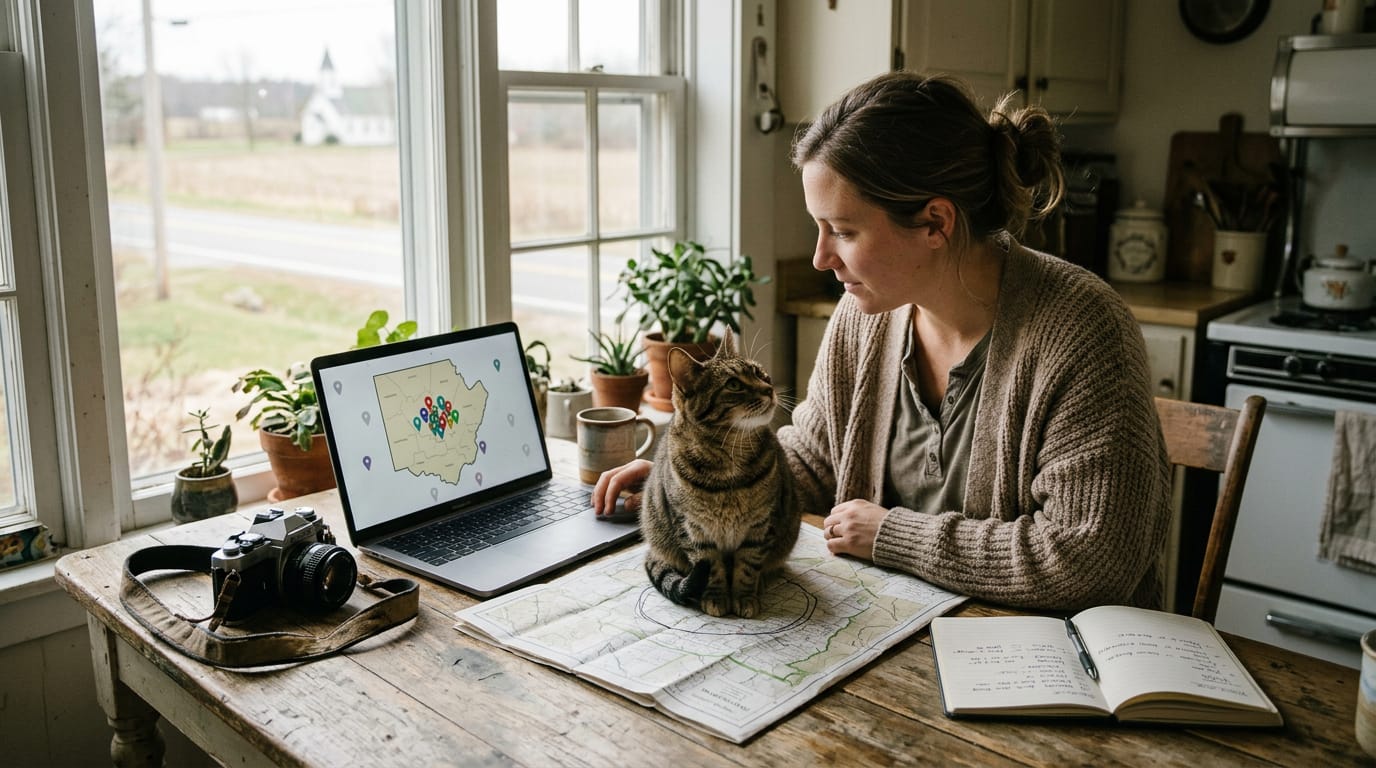
Google Local Services Ads (LSAs) are listings for service businesses in eligible categories, so confirm your studio qualifies first. To improve your return on investment, track which leads become booked jobs and what each one cost.
Set bids and service areas around the jobs you want, and keep your Google Business Profile details matching so your ad points to the right area.
Paid ads on social and local sites
- Targeting demographics and locations. Narrow ads by age and place so you reach people in the towns you serve.
- Carousel, story, and video ads. Carousels let people swipe through images, stories fill the phone screen, and videos show your process in motion.
- Community websites and digital newspapers. Local sites reach people following nearby news, a good fit for an open studio or local event.
- Facebook lead ads. The form sits inside the ad, so people send their name and email without leaving the app.
Reaching people based on where they are
Geotargeting campaigns show ads to people within a set distance of a place, like your studio or an event. They work when someone nearby can act soon, such as a weekend open studio.
They fall flat when the radius is too wide for most people inside it to book you.
For events and offers, put the date, place, and deadline in the ad itself, like ‘Open studio this Saturday, doors at ten.’ Specific wins.
Connecting Locals Through Social, Content and Email
Being found is only half the job. These channels keep locals engaged.
Growing a local following on social media
Post on a schedule you can actually keep, so neighbors know when to look for you. Consistency beats volume. Mix photos, videos, and stories, and add location-based hashtags that name your city.
Respond to comments and messages promptly, because that ongoing care is community management. For example, an illustrator posts a mural’s progress video, tags the café, and replies to every comment.
The café reshares it, and the next local asking about murals has already seen the work.
Using email and text messages with locals
Build a local email list from people you meet at markets and client work. Segment it by location so a gallery-opening note only reaches nearby people, and share local news and events. Track opens and clicks to see what people actually read.
For example, a photographer emails fall portrait dates to families nearby, then texts the morning of a pop-up. Save SMS (text messaging) for last-minute touchpoints, like a same-day reminder. Use texts for nudges, not newsletters.
Publishing content on local topics
Blogs, videos, and webinars show local expertise, like a post on choosing paint for a historic home in town. Follow local topics and trends, such as a downtown development or a seasonal festival, and tie them back to your work.
Write for people first, then add the place names that help search engines find you. That’s how you optimize for local SEO (search engine optimization).
Partnering with influencers and local groups
Local partners can carry your name further:
- Micro-influencers: Team up with local creators whose engaged audiences match your clients.
- Free products for shoutouts: Offer a product for a post, agreed in advance.
- Event sponsorships: Back a neighborhood race or art walk to reach people who care.
- Partner with nearby businesses: Trade referrals with the florist down the street.
- Promote events online: Share event details on social and email, and tag the organizers.
- Local business networking referrals: Swap referrals with businesses that send you work.
Consider a freelance graphic designer who makes a bakery’s summer market poster and shares the event online. The bakery gets sharp posters, and the owner starts recommending the designer to other shops.
Turning Visits into Leads and Measuring Results
A visit doesn’t pay the bills. A call or booking does.
Building landing pages that capture local leads
A localized landing page names the area you serve and shows a local phone number up front. For example, a wedding photographer serving three towns might build one page per town.
Local website design keeps that number easy to tap on a phone. Conversion rate optimization (CRO) tweaks a page so more visits become inquiries, and your conversion rate is inquiries divided by visits.
Lead nurturing workflows send automatic follow-ups, like a thank-you note and a portfolio link, so leads don’t go cold.
Tracking calls and keeping sales in sync
Call tracking gives each ad or listing its own number, so you know which one is ringing. Lead qualification screens inquiries for budget, timing, and fit before you write a proposal.
A customer relationship management (CRM) system keeps leads, calls, and invoices in one place when it’s connected to your call tracking and email. A product photographer can see which ad brought in each call, so spending follows results.
A chatbot answers simple questions, like asking what your service area is, then hands serious leads to you.

Using analytics to keep improving results
Return on investment (ROI) compares what a channel earned with what it cost. Local marketing analytics track ROI and conversion metrics to guide optimization.
A San Diego case study of local search strategy for small businesses found engagement peaked during commuting hours and was dominated by mobile users. Timing matters. If your inquiries cluster during the commute too, check your booking button on a phone.
A/B testing shows two page versions to different visitors and keeps the stronger one. Real-time local optimization moves spend toward the days and hours that bring in calls.
Budgeting and channel prioritization come down to funding the channels that produce booked jobs rather than clicks.
Strategies for Multi-location and Niche Businesses
Running several locations, or serving a niche, adds a layer. The core ideas don’t change, but you’ll need one clear story to carry them.
Running one strategy across many locations
- Unified but flexible strategy. Keep one brand voice and core message everywhere, then localize only the details like city, neighborhood, and venues. A wedding photographer working two cities names each city’s venues on its own page, so couples there see work shot nearby.
- Localized Google profiles. Give each real storefront its own accurate address, hours, and photos. Mismatched details confuse customers.
- Location tracking. Track calls, bookings, and reviews for each location separately. A healthy total can hide one struggling spot.
- Scaled lead generation. Carry the structure that works at one location over to the next, but not the exact wording. That keeps leads flowing without spreading you thin.
Tips for specific industries and online stores
- Doctor review sites. Reviews carry real weight in healthcare, so answer every one, the unhappy ones included, and never share patient details.
- Local service business tips. Plumbers and other on-site trades win work by being easy to find. List your number and service area on every page.
- Ecommerce tools for local stores. Turn on local pickup if your store platform offers it, and keep hours matching online and on your profile. A print seller with a studio address can let nearby buyers collect orders in person.
Expert tips, free resources and customer interviews
- Expert strategy tips. Start with the one channel where your customers already look. Add a second only once the first runs smoothly.
- Free local marketing resources. Your profiles, reviews, and website are channels you already control. Start there before you spend on anything.
- Customer interviews. Ask recent clients how they found you and what almost stopped them. An illustrator might hear a phrase she didn’t use on her site, and that phrase can make a better headline. Real answers beat guesses.
Hiring an agency and seeing real results
- Agency partnership offered. If you’d rather not run this yourself, an agency can take on some or all of it. Ask how they’ll handle each location.
- Client testimonials. A glowing quote is a start. Ask to speak with a past client directly.
- Case study metrics. Look for results measured before and after the work, not just a shiny end number. Find out which numbers they tracked.
Local online marketing comes down to being found, trusted, and chosen by the people closest to your work. Listings, reviews, and useful content handle much of that quiet work for you.
You don’t need every channel. Pick the two or three that reach your best local clients, measure what they bring in, and let go of the rest. Choose a few channels well, and you’ll have more time for the work you actually got into this for.
References
- The Effect of E-Commerce Reviews on Consumer Click and Purchase Behaviors: Evidence from Amazon Sellers — ideas.repec.org (2026)
- Behavioral Factors Influencing Local SEO Strategy in Small Businesses: A Case Study from San Diego — doi.org (2025)
- AI usage surges 6X for local search, fragmenting the digital ecosystem — searchengineland.com (2026)
- Local SEO Statistics 2026 (Sourced) — tolodora.com (2026)
Questions
What is the 3-3-3 rule for marketing?
The 3-3-3 rule is a marketing guideline for making a message quickly engaging: give people three seconds to notice it, three minutes to understand its value, and three hours to remember or act on it. The exact interpretation varies, so treat it as a practical reminder to make marketing clear and memorable, not a fixed industry standard.
What are the 7 types of marketing?
There is no single official list of seven marketing types. Common categories include digital, content, social media, email, search engine, direct, and influencer marketing; for local businesses, SEO, paid ads, social media, and content are especially relevant.
What's the best way to advertise your business online?
Start with the online channel your likely customers already use, then focus on the area you serve. For a local business, that often means an accurate Google Business Profile, a mobile-friendly website, local SEO, and reviews; use paid search or social ads when they fit your audience and budget. Track inquiries and booked customers rather than clicks alone.
Who are the big 3 of online advertising?
The big three of online advertising are generally Google, Meta (Facebook and Instagram), and Amazon. Google and Meta are often the most useful starting points for local businesses, while Amazon is primarily relevant to businesses selling products through its marketplace.
Sources
- AI usage surges 6X for local search, fragmenting the digital ecosystem, searchengineland.com,
- Local SEO Statistics 2026 (Sourced) | Tolodora, tolodora.com,
- The Effect of E-Commerce Reviews on Consumer Click and Purchase Behaviors: Evidence from Amazon Sellers, ideas.repec.org,
- Behavioral Factors Influencing Local SEO Strategy in Small Businesses: A Case Study from San Diego, doi.org,