Guerilla Marketing Explained, From Tactics to Legal Risks
Guerilla marketing turns small budgets into memorable campaigns. See real examples, practical tactics, and how to plan one while avoiding legal risks.

Contents
Guerrilla marketing is low-cost, unconventional promotion that uses creativity, surprise, and word of mouth to earn attention instead of relying on a large advertising budget. Effective campaigns fit the audience and setting, are planned and tested, and turn memorable in-person moments into trackable follow-up online. It can help brands stand out and attract customers, but local rules, public reaction, and careful execution matter, and it works best alongside regular marketing.
Think about the last time a chalk drawing on the sidewalk stopped you mid-stride. Nobody bought a billboard for it, yet you probably still remember it.
That’s the spirit of guerrilla marketing: low-cost, unconventional tactics that rely on creativity, surprise, and word of mouth instead of a big ad budget.
This guide covers what guerrilla marketing is, the main tactics, why it pays off, real campaigns worth studying, how to plan one, and where it can go wrong, including the legal risks.
Then we’ll show how a studio of one can use these ideas to attract clients without a marketing budget.
What Guerilla Marketing Actually Is
Guerrilla marketing trades spending for ingenuity. It’s less a separate category among the 7 types of marketing strategies than a low-cost way to run any of them.
The core traits that set it apart
- Unconventional promotion. It turns up where ads aren’t expected.
- Low-cost, high-impact. A small spend can still spark a big reaction.
- Surprise and memorability. People remember what catches them off guard.
- Alternative to traditional advertising. It earns attention rather than buying it.
- Creativity over budget. The idea does the heavy lifting, not the cash.
For example, an illustrator might leave hand-drawn sketches at a local bookshop, each with a card linking to their portfolio. The cost is paper and an afternoon, and one art director who spots a sketch might call. Not bad.
Where the idea came from
Jay Conrad Levinson coined the term in 1984, and his book Guerrilla Marketing introduced the unconventional, low-cost tactics that define it. It has sold 21 million copies.
The paper Guerrilla Marketing: Innovative or Parasitic Marketing? links the term to guerrilla warfare, where smaller forces with limited resources rely on unconventional tactics. Scarcity sharpens the plan.
Put simply, guerrilla marketing means promotion driven by creativity and surprise rather than spending.
Startups and big brands both use it
Guerrilla marketing isn’t just for startups. Global brands use it too, and leading brands have used it without big budgets. That’s what makes it small business friendly: it needs a sharp idea, not a large team.
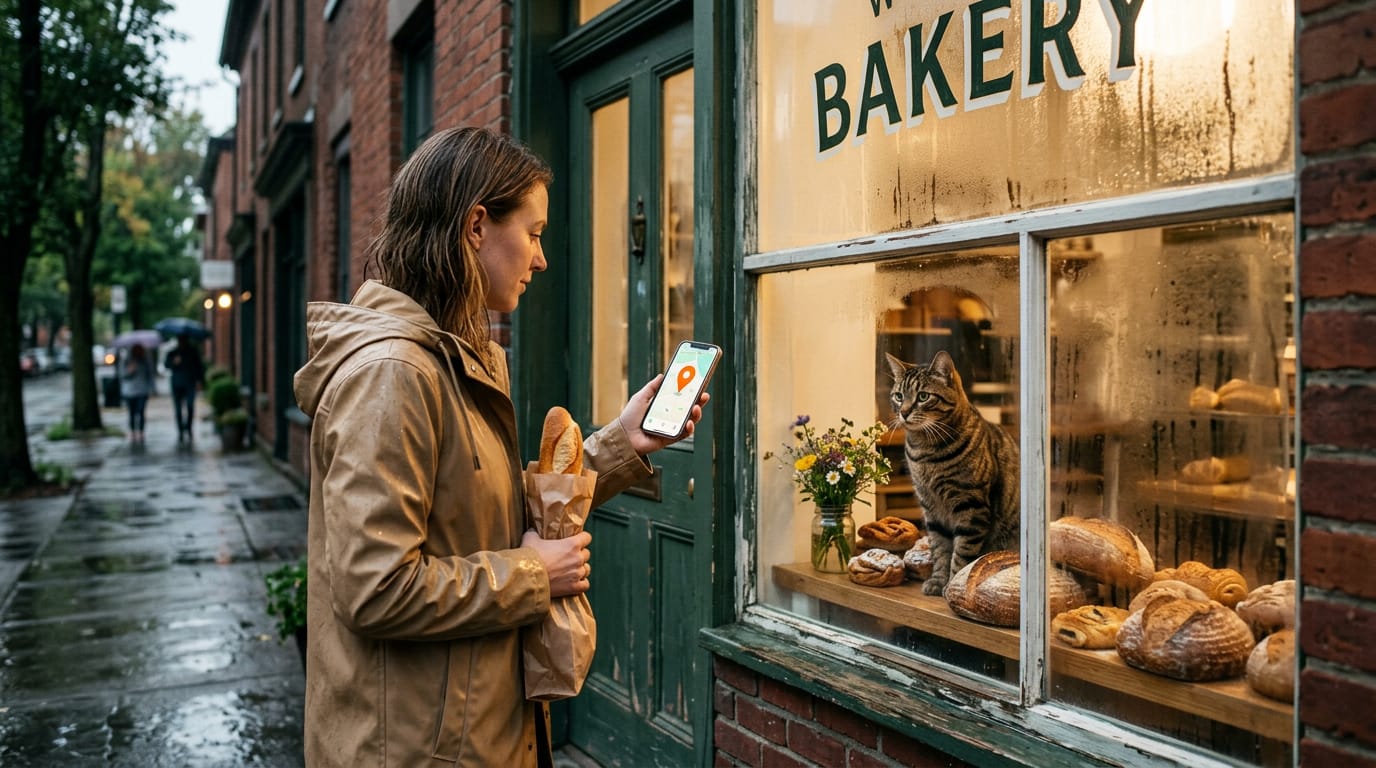
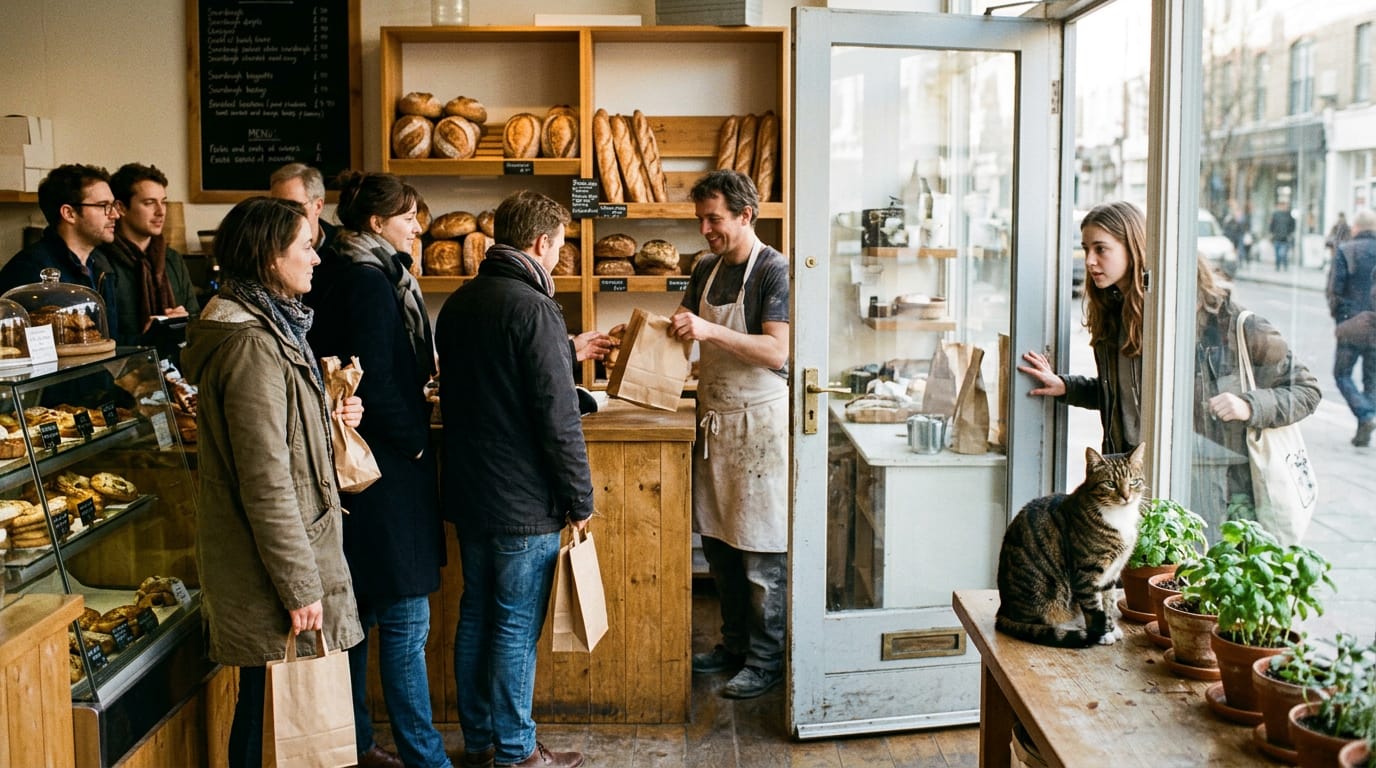
For example, a freelance photographer might offer a local bakery a free mini-session in exchange for a shout-out on its social feed. The bakery gets fresh photos, and the photographer gets a portfolio piece.
The Main Tactics You Can Try
Most guerrilla tactics answer one question: where will your message meet people who aren’t expecting it?
Where the campaigns actually happen
- Outdoor or street marketing: Sidewalk art and small installations catch people on their way somewhere else.
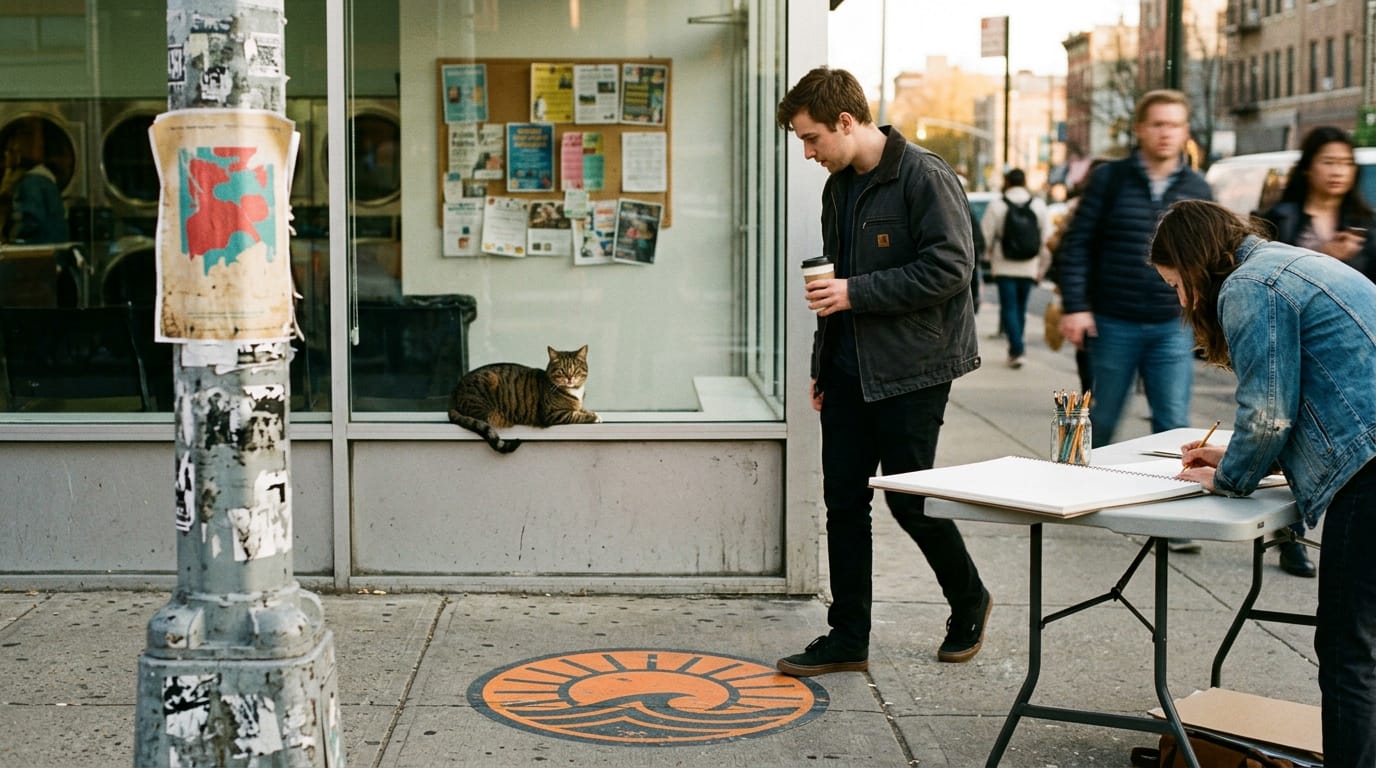
- Indoor marketing in high-traffic venues: Coffee shops and laundromats often have a bulletin board.
- Event ambush marketing: Placing a message near a major event without sponsoring it carries legal risk. Tread carefully.
- Experiential marketing: Let people touch or play with your work, like a pop-up sketching table.
- Ambient marketing: Put your message where people already look, like a floor decal.
Stickers, posters, and zines are portfolio-friendly street work. They’re cheap to print and worth photographing for your site.
Doorhangers, yard signs, and face-to-face outreach
- Door hangers and yard signs: These put a short message where people live. Check local rules before posting.
- Info cards as reminders: Leave a few at a client’s front desk so they remember you next time.
- Face-to-face outreach: Walk into a local shop with a sample and a specific idea. Lead with their project, not your services.
For example, a freelance photographer leaves a card and a free product shot with three local bakeries. One yes is a paid job.
Rolling billboards at events and parades
- LED trucks at events: Mobile screens loop your message through a festival crowd at a higher cost than a yard sign.
- Parade and sports game placements: Banners and float space reach a crowd already gathered. Ask about fees first.
- Gas station streaming: Pump-side screens reach drivers waiting to fill up.
- Agency service pitch: Send a one-page service sheet to agencies that need overflow help.
Why It Pays off for Brands
Brands reach for guerrilla marketing because it costs less, gets noticed, and builds real relationships. Here’s how each one plays out.
Getting more return for less spend
Compared with traditional ads, it offers four benefits:
- Cheaper than traditional ads. A clever street stunt can earn attention without paying for airtime.
- Minimal financial investment. Guerrilla marketing is designed to create impact with relatively limited financial investment, according to a systematic literature review of guerrilla marketing for small business.
- Potentially substantial ROI. Return on investment (ROI) can be high on a small spend, though nothing is guaranteed.
- Room to test approaches. A small budget lets you try a bold idea and adjust based on how people react.
Standing out and getting people talking
Crowded inboxes make ordinary ads easy to ignore, so surprise becomes the tool. A mixed-method study of guerrilla marketing on Facebook suggests distinctive campaigns can cut through advertising noise and encourage word-of-mouth sharing.
Social media amplifies that effect, since every share acts like a personal recommendation. A striking stunt can also earn news pickup, with one outlet’s coverage prompting others to follow and building snowballing publicity.
Nielsen reports that 75% of people remember unique ads. It’s less about shouting louder and more about surprising people. Surprise sticks.
Building trust through face-to-face moments
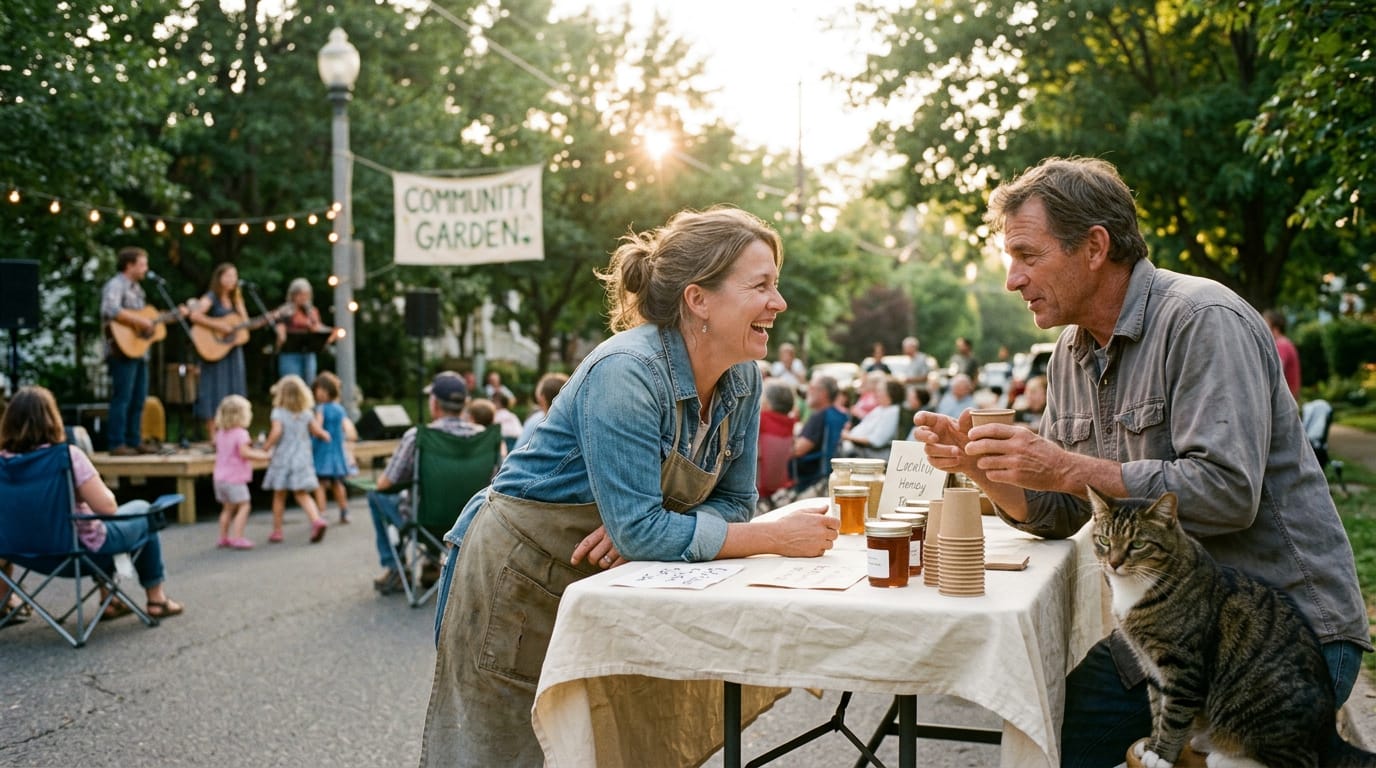
This is where trust takes root. Face-to-face engagement, like a conversation at a sampling table or live demo, puts a real person behind the brand, which builds trust and credibility.
Those moments foster loyalty and advocacy, so people who enjoy the encounter spread the word. Guerrilla tactics also work best when they align with audience interests, like a neighborhood cause or local music scene.
Trust is built with people, not at them.
Teaming up and sparking fresh ideas
Collaborating with local organizations, like a bookstore, gallery, or nonprofit, lets you reach people who already follow them.
Think of a freelance photographer who sets up a pop-up portrait corner in a neighborhood bookstore’s front window. The shop draws browsers, and the photographer gains fresh portfolio work and new people to follow.
Working with partners also stimulates internal creativity, since tight limits push teams toward fresh ideas.
Real Campaigns Worth Studying
Looking at real work is the fastest way to see guerrilla marketing in action. Each group below shows a stunt, a street-level idea, or a share-worthy moment that does a lot with very little.
Hands-on stunts people remember
Coca-Cola’s Happiness Machine handed out surprise gifts instead of drinks. Vodafone’s reverse-pickpocketing sneaked gifts into strangers’ pockets, and Circles.Life built a vending machine around a $50 payoff.
UNICEF’s dirty water machines made passersby confront the cost of clean water, and the Oscar Mayer Wienermobile turned a hot-dog vehicle into a traveling landmark.
Small studios can borrow the same logic. Think of a freelance illustrator who draws tiny portraits of shop owners on sticky notes, leaves them on the counter, then posts the photos with the shop tagged.
The payoff is a café owner who calls asking about a menu design.
Street art and clever outdoor ads
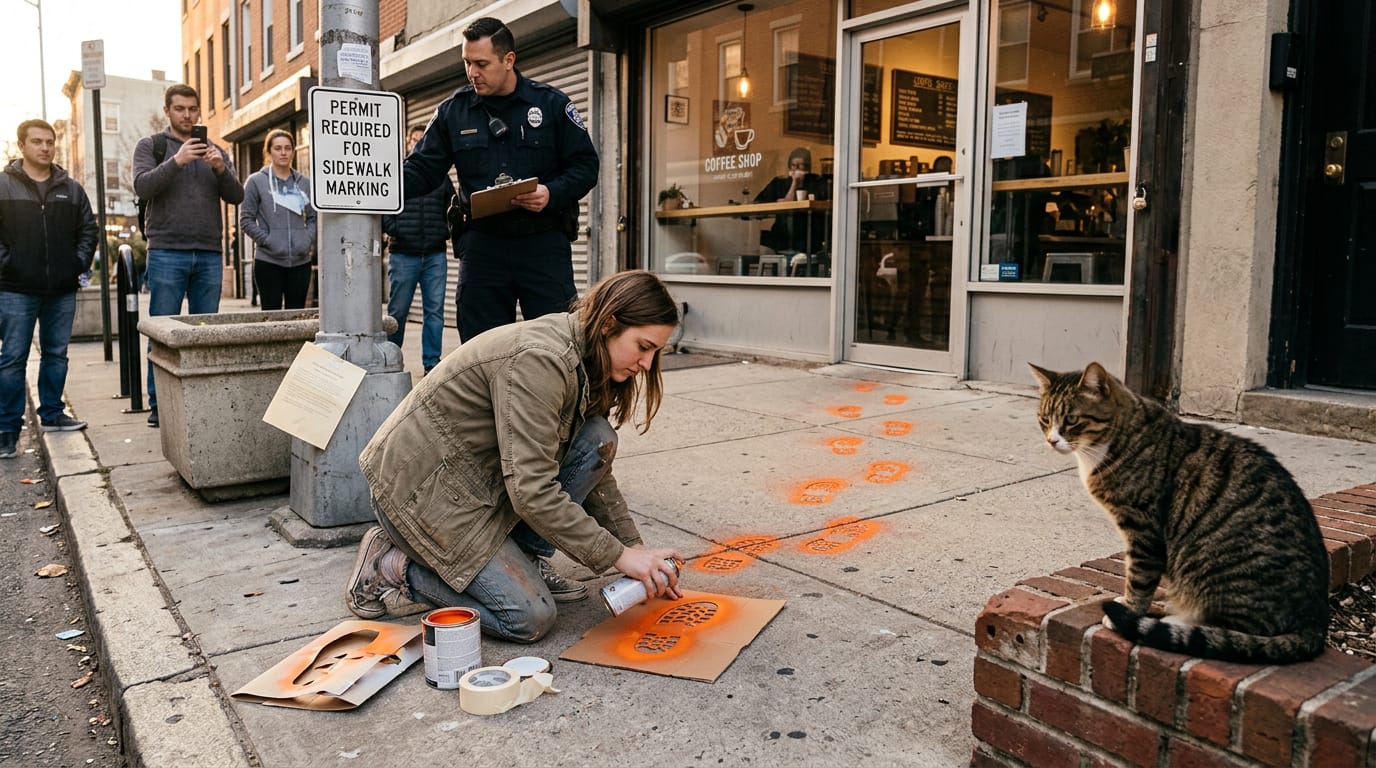
Outdoor work succeeds when the setting becomes part of the joke. Body Count used stencils and chalk on pavement, McDonald’s painted a crosswalk to look like fries, and BIC’s grass cutter billboard turned the ground beneath it into part of the pitch.
Copenhagen Zoo wrapped a bus to look like a snake, and King Kong’s oversized footprints made a sidewalk look like a movie set.
Winning attention on social media feeds
Social campaigns win when people want to share them.
Wendy’s and Wingstop traded verses in a Twitter rap battle, Hereditary’s creepy dolls turned up in hotel rooms built to be photographed, and Red Bull’s Stratos jump brought a skydive from the edge of space into people’s feeds.
Guinness, Cover Girl, and Discovery Channel each made a moment worth posting. Here the goal is recall rather than reach. Shareable beats big.
Steps to Plan a Campaign That Works
Good campaigns start with a plan, not luck. Work through these steps:
- Define your brand and target market. Name who you serve and what you stand for.
- Brainstorm wild ideas. List everything before judging it.
- Narrow to feasible options. Keep only what your time can pull off.
- Evaluate costs and risks. Budget hours and materials, and ask what could go wrong. Guerrilla means low cash, not zero cost.
- Choose your idea and location. Pick one spot your clients already visit.
What smart campaigns get right
- Know your audience. A wedding photographer and a headshot studio need different tactics.
- Be original and authentic. Your own story beats a borrowed stunt.
- Test before launching. An illustrator leaves flyers at three local shops. If one owner asks for more, that’s your answer for almost no money. Mistakes stay cheap.
- Get timing right. Launch when clients are already shopping for what you offer.
- Tailor to the local area. Reference a nearby landmark or event.
- Invest time in planning. Block a few hours a month, not one frantic weekend, so it fits around client work.
Tracking results and sharing it online
- Plan the social media transfer. Decide how an in-person moment becomes a post.
- Self-promotion or others? Decide whether you’ll share it yourself or let others carry it.
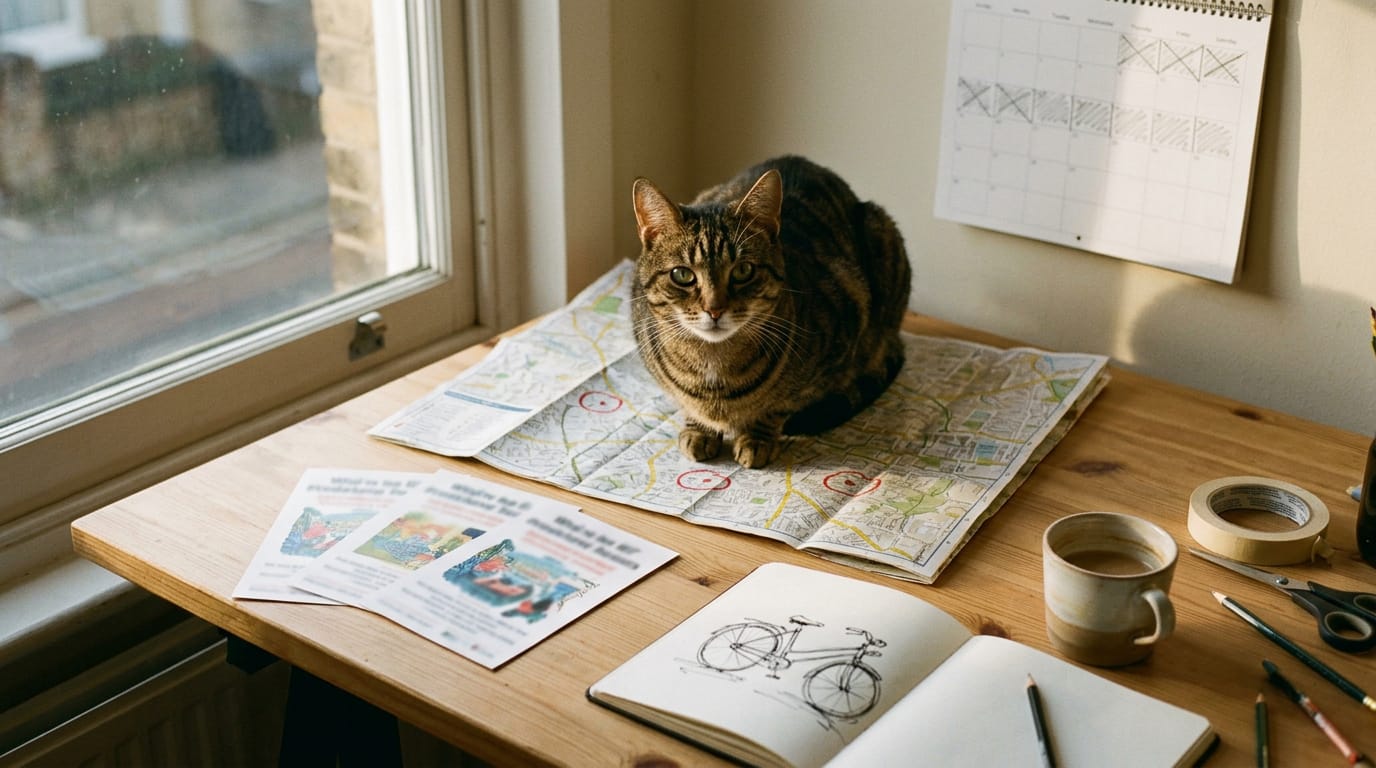
- Track sales and customer data. Give each location its own link or code to see what it brings in.
- Use POS (point-of-sale) analytics. If you sell prints in person, your register app shows what sold and when.
- Measure without big analytics. Ask ‘How did you hear about us?’ on your intake form. Then count inquiries, not likes.
Where Things Can Go Wrong
Guerilla tactics grab attention fast, but they can backfire. Here’s where things tend to go wrong, and how we’d keep a clever idea from becoming an expensive lesson.
Is guerilla marketing legal?
It can be, but it depends on where you do it. A stunt on your own property isn’t the same as one on a city sidewalk.
- Public disapproval. Even legal stunts can annoy the people who have to look at them.
- Fines. According to Manaus city hall, unapproved advertising on poles, trees, and sidewalks can bring fines or other legal consequences.
- Vandalism fines. Smirnoff has faced one, so even big brands aren’t exempt.
- Local rules. Follow local regulations before you pick a spot.
Say you’re a freelance illustrator who wants to wheat-paste a poster on a downtown wall. Check whether that wall is public property and needs a permit. One fine can wipe out the money you were trying to save by skipping paid ads. Ask first.
Why it works best alongside other ads
A stunt gets people to notice you, but your everyday marketing is what gets them to hire you.
- Not replicable or scalable. A stunt that works on one street rarely works on the next, and it’s hard to repeat when you’re the whole studio.
- Execution must be spot on. A sloppy stunt reads as spam, and that reflects on your studio.
- Shouldn’t replace regular advertising. Think of a stunt as the spark, not the whole fire.
- Combine with digital marketing. Photograph the stunt, post it online, and link to your portfolio so the street moment keeps working after the wall is cleaned. Plan that follow-up first.
Guerrilla marketing works because it trades money for thinking. A clever idea, a little planning, and a clear picture of your audience can go further than a budget you don’t have.
Keep the legal side in view and stay honest about what each tactic is really doing for you.
For a studio of one, that’s good news. Your portfolio and past clients are already your raw materials. Pick one tactic this week and see who responds. Your best marketing tool may already be in the work you’re proudest of.
References
- Guerrilla marketing on Facebook: A mixed-method study on the effects on brand image and content sharing intentions — doi.org (2022)
- The Effectiveness of Guerrilla Marketing for Small Business: A Systematic Literature Review — doi.org (2022)
- Prefeitura notifica e multa empresas por poluição visual e ausência de alvará de publicidade — manaus.am.gov.br (2024)
- Guerrilla Marketing Book Core Principles And Case Studies — cms.ncwc.edu
- Guerrilla Marketing—Innovative or Parasitic Marketing? — doi.org (2013)
Questions
What is the 3-3-3 rule in marketing?
The 3-3-3 rule is a marketing guideline for reaching people with a message three times, through three channels, over three weeks. Its exact meaning varies by marketer, so treat it as a planning rule of thumb rather than a universal standard.
What are the 7 types of marketing strategies?
There is no single agreed list of seven marketing strategy types. Common categories include content, social media, email, search engine, influencer, event, and traditional marketing; guerrilla marketing is better understood as a low-cost, creative approach that can be used within different strategies.
What are examples of Guerilla marketing?
Examples include sidewalk chalk art, creative street installations, ambient ads such as floor decals, pop-up experiences, and shareable stunts. Notable examples include McDonald’s fries-themed crosswalk, Coca-Cola’s Happiness Machine, and Copenhagen Zoo’s snake-wrapped bus.
Is guerrilla marketing legal?
Guerrilla marketing can be legal, but legality depends on the location, permissions, and local rules. Get permits where required and avoid placing ads on public property or damaging property without authorization, since violations can lead to fines or other consequences.
Sources
- Guerrilla Marketing—Innovative or Parasitic Marketing?, doi.org,
- Guerrilla Marketing Book Core Principles And Case Studies, cms.ncwc.edu
- Guerrilla marketing on Facebook: A mixed-method study on the effects on brand image and content sharing intentions, doi.org,
- The Effectiveness of Guerrilla Marketing for Small Business: A Systematic Literature Review, doi.org,
- Prefeitura notifica e multa empresas por poluição visual e ausência de alvará de publicidade, manaus.am.gov.br,